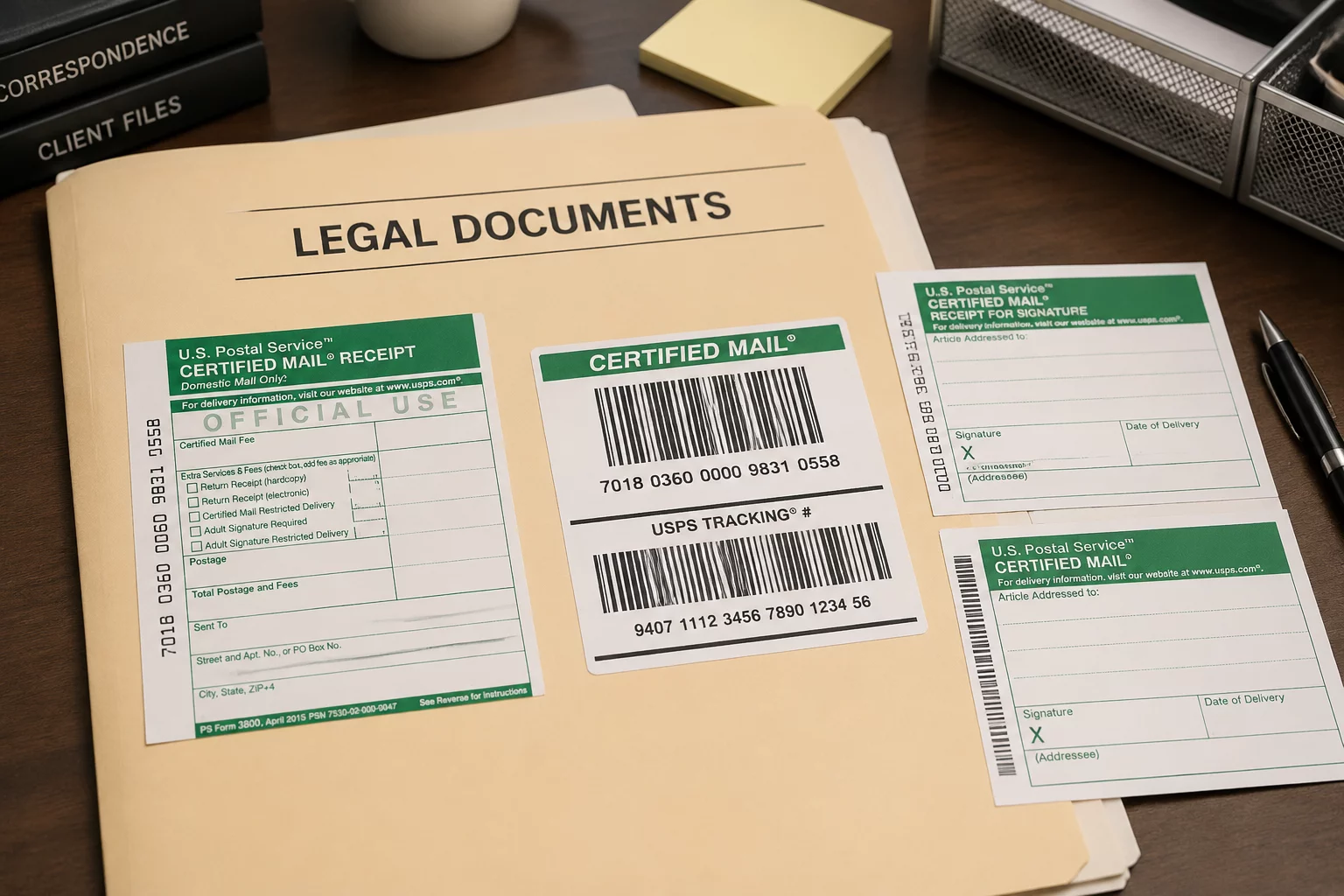
Use practical checklists for recipient details, packaging context, shipment records, ownership, and follow-up before an important mailing enters the carrier workflow.
Master your shipment preparation before any physical parcel enters the USPS mailing workflow context. A standardized mailing checklist prevents costly dispatch errors, missing secondary address units, and lost verification records.
Confirm current operational availability, primary contact name, department routing codes, and active receiving hours at the destination.
Examine full physical logistics specifics beyond standard street lines, including suite distinctions, floor designations, and building access points.
Match envelope durability, container bursting strength, internal cushioning, and waterproof sealing methods to your physical contents.
Archive itemized manifests, high-resolution pre-closure package photographs, and internal reference tracking logs prior to sealing.
Manage the physical business mail handoff with clear custody logs, official intake acceptance scans, and explicit personnel responsibility.
Define realistic transit windows, proactive receipt confirmation notices, and standard protocols for intact package inspection.
Review all six operational checkpoints in our unified field document before sealing and dispatching critical parcels.
Carrier delivery confirmation is not the same as internal handoff. Here is what happens when physical parcels enter an organization without pre-established context.
A time-sensitive contract was delivered precisely on schedule to a commercial building reception desk. However, the label lacked internal routing markers. The parcel remained in the holding area for six days while project teams presumed the shipment had been delayed in transit.
By deploying the standard recipient context verification step prior to shipping, organizations eliminate ambiguity and ensure seamless internal package routing.
Always supply secondary attention identifiers including floor number, internal department, and desk extension on the outer manifest label.
Directly alert the designated recipient with an arrival window estimate prior to tender so they can monitor their mailroom incoming bin.
Archive the physical item summary, dispatch tracking identifier, and destination point contact inside your central team logbook.
Use our systematic recipient checklist to ensure your mailings land in the hands of the right team member.
Systematic pre-dispatch audits for physical mail. Examine critical address context, verification layers, and courier handoff protocols before items enter the USPS mailing workflow context.
A comprehensive dispatch audit to verify seal integrity, weight assumptions, and essential recipient routing details prior to handoff.
Standardized worksheet covering suite designators, department codes, attention lines, and delivery point verification markers.
Inspect box grade strength, void fill density, and closure tape boundaries before sealing crucial parcel shipments.
Structured log format to preserve physical dispatch evidence, internal approval trails, and custodian custody logs.
Pinpoint the exact challenge in your pre-carrier workflow to reveal immediate verification protocols, standard stages, and record-keeping procedures.
Address verification is not merely about standard ZIP codes. It requires validating operational access rules, suite hierarchy, receiver operating hours, and floor restrictions before applying shipping documentation.
Label validation engines check geographic format, not local receiving conditions. Physical access limitations like security gates or closed receiving docks still trigger carrier exceptions.
Packaging failure often originates from internal movement rather than external impacts. Our structured standards help teams determine correct wall thickness, proper void fill, and H-taping closure before the package enters sorting automation.
Bubble wrap cannot compensate for structural box compression under sorting hub stacking. Heavy contents demand double-wall corrugation and rigid edge reinforcement.
Shipments left in unmanned lobbies or unverified drop bins introduce severe visibility gaps. Master clear driver sign-offs, origin scan verifications, and daily handoff documentation protocols.
Physical custody does not guarantee system registration until the origin sorting facility scans the piece. Always maintain an internal outbound manifest.
When physical dispatches involve essential contracts, equipment, or sensitive correspondence, sender-side retention records establish indisputable proof of dispatched items and conditions.
Carrier tracking numbers confirm route progress but say nothing about parcel contents. Only sender-retained records prove what was placed inside the package.
Critical logistics and pre-flight mailing terms simplified into plain, single-line definitions for senders.
The physical moment a carrier accepts your parcel and scans it into their automated tracking stream.
The formal transfer point where risk and handling custody shift from sender to the transportation provider.
Cushioning material used to eliminate internal empty space so items cannot shift or puncture box walls during transit.
Sealing the center seam and both outer edges of a cardboard box in an 'H' shape for maximum structural integrity.
Specific suite, floor, apartment, or department designators required for final internal delivery at destination.
Verifying recipient active occupancy before dispatch to prevent misrouting, re-delivery fees, or dead-letter returns.
Sender-kept documentation containing dispatch date, physical contents log, barcode copy, and internal tracking cross-reference.
The realistic calendar interval planned between carrier intake and actual recipient desk delivery.
When packages enter the carrier workflow with incomplete recipient details, incorrect packaging assumptions, or unrecorded sender data, the administrative aftermath accumulates quickly. Calculate the impact on your operational capacity.
Includes time spent hunting dispatch receipts, coordinating sender handoffs, clarifying unit numbers, and repackaging damaged contents.
Equip your operations team with structured pre-flight shipment protocols, address verification workflows, and audit checklists before items enter carrier custody.
For office administrators and solo senders handling critical parcels and documents.
Designed for growing businesses, logistics teams, and multi-staff office hubs.
For enterprise departments, non-profits, and multi-branch physical correspondence.
Submit your details to receive license credentials, digital manuals, and printable worksheets.